
Technology rarely fails all at once.
More often, the warning signs appear gradually.
Applications take a little longer to load. Hardware requires more maintenance.
Security patches become increasingly complicated. IT teams spend more time troubleshooting. Costs continue climbing, even though performance isn’t improving.
Individually, these issues may seem manageable.
Together, they could be telling you something important:
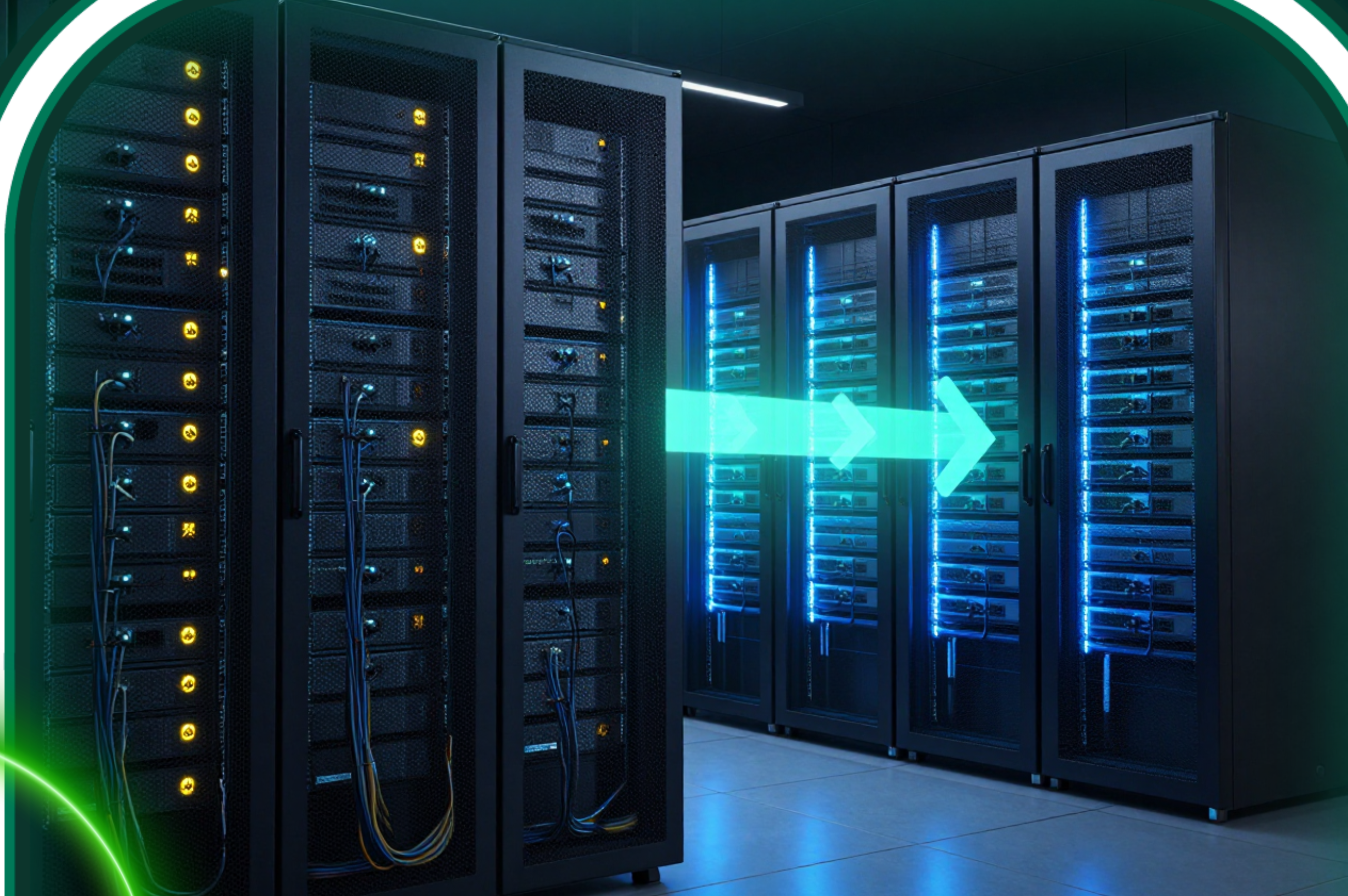
Your infrastructure may no longer be keeping up with your organization.
For IT leaders, the challenge is recognizing these signals early enough to act strategically rather than waiting for a major failure to force modernization.
1. Systems Are Getting Slower
One of the most noticeable signs of aging infrastructure is declining performance.
Applications that once worked efficiently may begin taking longer to load. Employees may experience slow access to files, delayed transactions, or inconsistent application performance.
The problem isn’t simply inconvenience.
When employees repeatedly wait for technology, those seconds and minutes accumulate across departments and throughout the year.
Before purchasing more hardware, however, IT teams should determine what’s actually causing the slowdown.
Is it storage? Network capacity? Aging servers? Application architecture? Configuration?
Modernization should begin with understanding the problem—not simply replacing equipment.
2. Maintenance Is Becoming More Complicated
Older infrastructure often requires more attention to keep running.
IT teams may find themselves spending increasing amounts of time managing patches, compatibility issues, hardware failures, and temporary fixes.
Eventually, maintaining legacy technology can consume resources that could otherwise be dedicated to innovation.
A useful question for IT leaders is:
How much of our team’s time is spent maintaining yesterday’s technology instead of preparing for tomorrow’s needs?
If that balance is moving in the wrong direction, modernization deserves consideration.
3. Hardware Is Becoming Difficult to Support
Reliable hardware doesn’t last forever.
As servers, storage systems, networking equipment, and other infrastructure age, organizations may encounter limited vendor support, unavailable replacement components, expiring warranties, or compatibility challenges with newer technologies.
This can create operational risk.
A single hardware failure may become significantly more disruptive when replacement parts or technical expertise are difficult to obtain.
Modernization allows organizations to address lifecycle risks proactively instead of waiting for critical equipment to fail.
4. Security Updates Are Becoming a Challenge
Aging technology can also create cybersecurity concerns.
Older systems may not support current security capabilities, operating systems may approach end-of-support dates, and patches can become increasingly difficult to deploy without disrupting other applications.
This creates an uncomfortable situation for IT teams:
Keep an aging system running—or make changes that could disrupt operations.
Neither is ideal.
Infrastructure modernization provides an opportunity to evaluate security as part of the architecture itself rather than continually adding protections around technology that was never designed for today’s threat environment.
5. IT Costs Keep Increasing
Legacy infrastructure can sometimes appear less expensive because the organization already owns it.
But acquisition cost is only one part of the equation.
Organizations also need to consider:
- Maintenance and support
- Licensing
- Energy consumption
- Downtime
- IT staff time
- Replacement components
- Security requirements
- Lost employee productivity
This is why IT leaders should evaluate total cost of ownership, not simply the cost of replacing existing equipment.
Sometimes maintaining older infrastructure ultimately costs more than modernizing it.
6. New Technology Is Difficult to Implement
Your infrastructure shouldn’t prevent your organization from innovating.
If every new application, cloud initiative, AI project, security platform, or business requirement creates compatibility problems, the underlying infrastructure may have become a bottleneck.
Modern environments need flexibility.
That doesn’t necessarily mean moving everything to the cloud or replacing every existing system. For many organizations, the right answer may be a combination of on-premises, cloud, and hybrid infrastructure.
The important question is whether your architecture can support where the organization is going next.
7. Your IT Team Is Constantly Reacting
Perhaps one of the strongest modernization signals isn’t technical at all.
It’s your IT team’s workload.
When talented IT professionals spend most of their time responding to outages, troubleshooting performance issues, managing aging hardware, and creating workarounds, there’s less time available for strategic initiatives.
Modern infrastructure should make IT easier to manage—not require increasingly more effort to maintain the status quo.
Modernization Doesn’t Mean Replacing Everything
One of the biggest misconceptions about infrastructure modernization is that organizations need to replace their entire technology environment.
They usually don’t.
Effective modernization begins with an assessment.
IT leaders can examine:
What is working well?
Keep it.
What is creating unnecessary cost or risk?
Prioritize it.
What will prevent us from achieving future goals?
Develop a modernization roadmap.
This approach allows organizations to modernize strategically over time while balancing budgets, operational requirements, security, and business priorities.
From Reactive IT to Strategic Infrastructure
The goal of modernization isn’t simply newer technology.
It’s creating an infrastructure environment that is easier to manage, more secure, more reliable, and better prepared for future demands.
A successful modernization strategy can help organizations improve performance, strengthen security, reduce operational complexity, increase reliability, and give IT teams more time to focus on innovation.
Ultimately, infrastructure should support the organization’s strategy—not become an obstacle to it.
Takeaway
Infrastructure problems rarely arrive with a flashing warning that says “It’s time to modernize.”
The signals are usually quieter:
Slower systems. More maintenance. Rising costs. Security challenges. Aging hardware. Increasing complexity.
The key is recognizing those patterns before they become major disruptions.
The question isn’t simply:
“How old is our infrastructure?”
A better question is:
“Is our infrastructure still capable of supporting where our organization needs to go?”
How QnA Tech Helps
At QnA Tech, we help organizations step back and evaluate their infrastructure environments before making major technology decisions.
By examining performance, reliability, security, scalability, and long-term requirements, we help organizations identify opportunities to simplify and modernize their environments while building an infrastructure strategy aligned with future goals.
Modernization isn’t about replacing technology for the sake of having something newer. It’s about building an environment that’s ready for what’s next.
Ready to Strengthen Your IT Environment?
Schedule a free 15-minute consultation with the QnA Tech team.
No obligation—just a focused conversation about your current IT environment, business objectives, and opportunities to improve security, performance, and resilience.
We’ll discuss:
- Your organization’s current IT challenges and priorities
- Cybersecurity risks and strategies to strengthen your security posture
- Infrastructure modernization, cloud, and AI initiatives
- Data protection, backup, and cyber recovery best practices
- Practical recommendations tailored to your organization’s goals
Whether you’re planning your next technology refresh, evaluating new solutions, or looking to improve operational efficiency, QnA Tech is here to help you make informed decisions with confidence.
 Let’s connect: 📧 salesinfo@qnatech.com
📞 (646) 453-7119 * 🌐 www.qnatech.com
At QnA Tech, we help organizations design and implement secure cloud collaboration environments that improve productivity while protecting critical business data. Whether you’re modernizing your digital workplace, supporting a hybrid workforce, or strengthening cloud security, our team delivers solutions that empower your employees to work confidently from anywhere.
Technology should bring people together—not create barriers.